Epiphany in the distant East
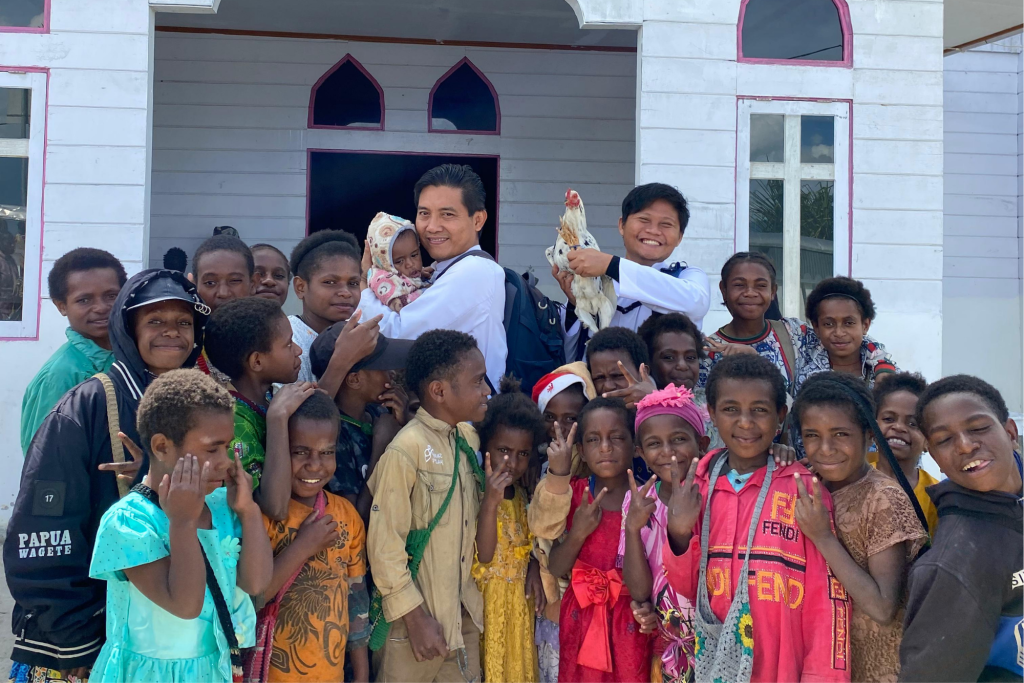
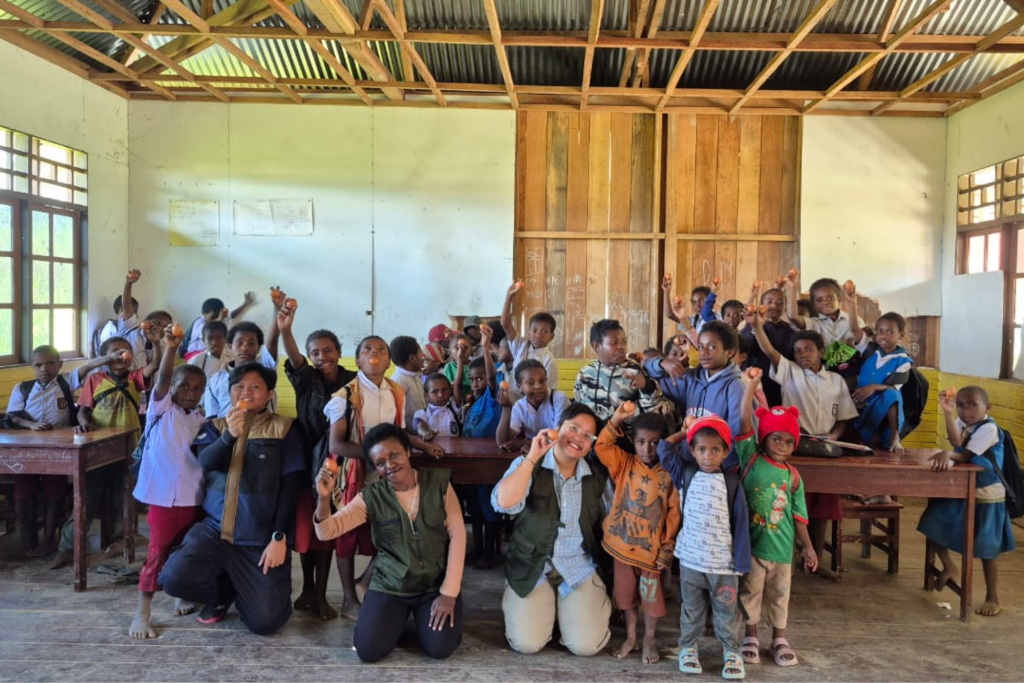
A Glimpse into the Complexity of Papua This first-year theology semester break brought me a surprising opportunity: an immersion program outside Java. Since there were only three first-year theology students at Kolese Santo Ignatius (Kolsani), the program, Arrupe Month, was moved up from its original schedule to 2027. I was initially anxious upon hearing news about Papua being unsafe, while my colleague was excitedly preparing for Kalimantan. After completing my final assignment, I surrendered to God, and the journey began on January 3, 2026. After experiencing flight delays that tested my patience, I found precious moments, such as enjoying local culinary Coto Makassar and an unexpected meeting with Fr. Sudriyanto, S.J., at the airport. Upon arriving in Nabire, I experienced an important moment when the Church celebrated Epiphany, which became a reflection on God incarnate as a vulnerable human being. From this experience, Papua, which had initially been only a concept in my mind, became a reality. Thanks to the warm welcome from the Jesuits who reside there. I met Frs. Purwantoro, S.J., Adi Bangkit, S.J., and witnessed the Jesuits’ active work in instilling faith, hope, and love there. The trip to Waghete took eight hours by road, where a new volunteer, a parishioner, and a Torajan driver accompanied me. At the rectory of St. John the Baptist Parish, I was welcomed by Fr. Peter Devantara, S.J., and two volunteers. During my time in Waghete, my tasks were very practical, including being the school warden and accompanying the children as they cut the grass, which made them feel proud to write my name in their diaries. The biggest challenge was repairing the reverse-osmosis water filter machine and the broken pipes. When clean water flowed again, the children’s joyful cheers brought me great happiness. In addition to my household duties, I also taught at the parish stations of Yaba, Yagu, and Kigou elementary schools, using the phrase let’s go to school, “Mei Sekolah,” to encourage children to learn the basics of reading, writing, and arithmetic. In class, I discovered that Papuan children live in a rich land but lack shoes and teachers. The education system in Papua has collapsed due to poorly managed policies under special autonomy. Even so, formal education may not be a priority at this time. The Waghete Church is trying to help by supporting those who are vulnerable, without completely replacing teachers’ roles. After three weeks, I had to say goodbye, and a local inhabitant gave me a chicken as a token of gratitude. I returned to Java on January 28, commemorating St. Thomas Aquinas, ending my experience in Waghete poetically. Source: Bobby Anderson. (2013, 29 September). “The failure of education in Papua’s highlands” retrieved from https://www.insideindonesia.org/archive/articles/the-failure-of-education-in-papua-s-highlands. Contributor: Sch. Y.K. Septian Kurniawan, S.J.