Pilgrims on Christ’s Mission

English

English

Rest in the Eternal Peace, Father Petrus Pramudyarkara Witonowarso. S.J.

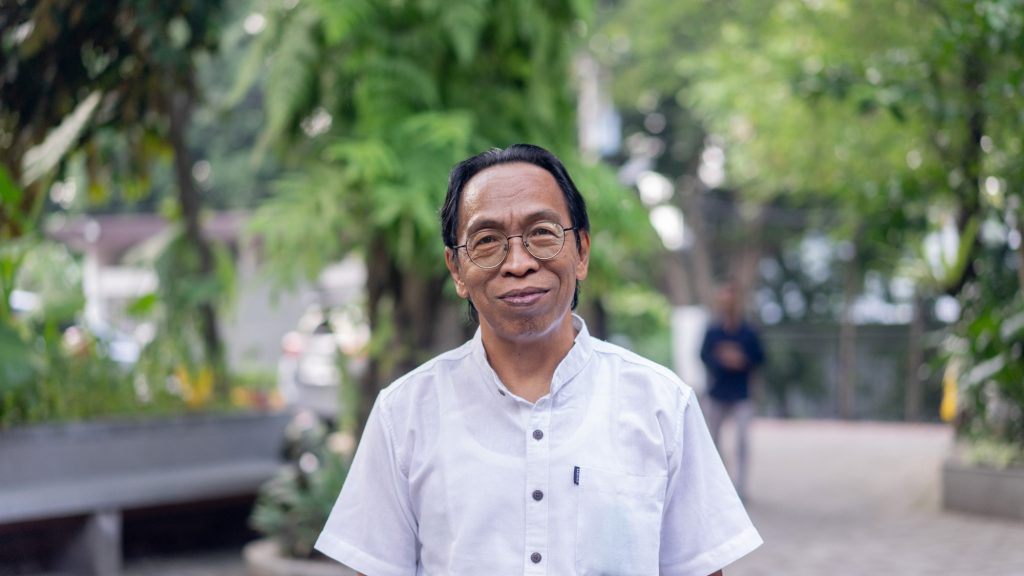
On Monday, January 26, 2026, at 10:20 p.m., Father Petrus Pramudyarkara, S. J., passed away at At-Tin Hospital, Bawen, Semarang Regency, at the age of 66. He was a member of the Apostolic Community of St. Stanislaus Kostka College in Girisonta and was known for his contributions to the formation of young people, particularly in the areas of student apostolate and parish ministry. Father Pramudyarkara was born in Ambarawa on October 27, 1960, and was baptized on October 30, 1960. He attended Kanisius Elementary School and Theresiana Junior High School, both in Bedono, and St. Petrus Canisius Minor Seminary in Mertoyudan, Magelang.   He aspired to become a Jesuit and began his novitiate formation at St. Stanislaus Novitiate, Girisonta, on July 19, 1980, and made his first vows on July 16, 1982. After the initial formation, he studied philosophy at the Driyarkara School of Philosophy in Jakarta, did the regency formation for two years as the assistant moderator of the student apostolate of Yogyakarta, and another year at the De Britto College. After completing his regency, he later undertook theological formation at Wedabhakti Faculty of Theology of Sanata Dharma University. He was ordained a deacon on June 3, 1992, and became a priest on July 29, 1992. He underwent his tertian formation at Loyola House of Studies in the Philippines from 1998 to 1999 and took his final vows as a spiritual coadjutor on November 26, 2011, at the Provincial’s Residence in Semarang.   He was known as a passionate figure who accompanied young people and embodied the spirit of Laudato Si through agricultural activities. Father Pramudyarkara passed away after suffering a heart attack. The Requiem Mass was held on Wednesday, January 28, 2026, at St. Stanislaus Church, followed by a funeral at Maria Ratu Damai Cemetery. All members of the Indonesian Province are requested to celebrate the Eucharist for the repose of Fr. Petrus Pramudyarkara’s soul.   Fr. Pramudyarkara’s Apostolic Assignments after the Sacerdotal Ordination 1992-1998 :  Moderator of Student Apostolate at Driyarkara Student Center and Pastoral Work at Gedangan Parish, Semarang. 1998-1999 :  Tertianship at Loyola House of Studies, Quezon City, Philippines. 1999-2000 :  Preparation for special studies and resided at Kanisius College, Jakarta. 2000-2002 :  Pursuing a master’s degree in Political Science at Marquette University, Wisconsin, USA. 2002-2009 :  Assistant Moderator of Student Apostolate in Yogyakarta. 2009-2011 :  Moderator of Yogyakarta Student Apostolate. 2011-2013 :  Acting Parish Priest of St. Ignatius Parish, Danan, Wonogiri. 2013-2016 :  Parish Priest of St. Ignatius Parish, Danan, Wonogiri. 2016-2020 :  Community Minister of Arrupe International Residence, Philippines. 2020-death :  Minister of the Apostolic Community of St. Stanislaus Kostka College, Girisonta.
English

A Journey of Realino Volunteers

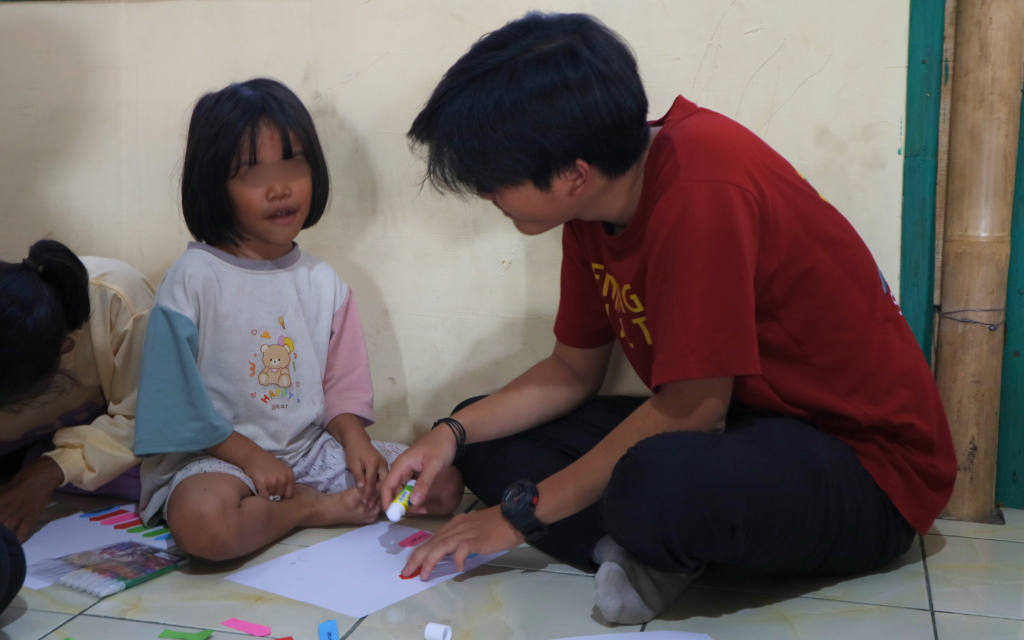
From Fear to Responsibility In a pragmatic world, volunteering is often undervalued, seen merely as a light activity lacking serious commitment. Many view it as a way to kill time or enhance their resumes, leading to fatigue and disconnection among volunteers. This perception drove me to join the Realino Volunteer Community in Yogyakarta, where my journey began with an introduction from Father Pieter Dolle S.J., which sparked my interest. I quickly engaged in the Realino Learning Community during my first semester in college. My initial volunteer experience in the Bongsuwung and Jombor communities was challenging. I experienced fear and confusion due to my inexperience with children in a learning environment. Gradually, I developed the ability to build relationships, creating a nurturing atmosphere. This experience taught me that service is more about growth and communal learning than merely giving.   In my second semester, I unexpectedly became the Deputy Volunteer Coordinator, a role proposed by Ms. Luci and Father Pieter. Initially, I was apprehensive, but this opportunity sparked a significant transformation in my perspective on volunteering. I recognized that leadership within a volunteer community extends beyond organizational tasks—it entails a deeper responsibility to serve and inspire.   Many students mistakenly believe that coordination involves just issuing directives; however, it is more intricate. A coordinator must navigate community dynamics and inspire enthusiasm, embodying both thoughtfulness and passion. I aligned my understanding of leadership with the spirit of Saint Ignatius of Loyola, embracing the concept of a “servant leader.” True leadership prioritizes the group’s needs, fostering a collaborative environment that nurtures shared responsibility.     I found that camaraderie among volunteers is essential to sustaining enthusiasm. A genuine sense of belonging and affection fosters commitment, transforming responsibility into a desire to serve and grow together. For me, volunteering is a tangible expression of gratitude for the abundance I have received. I view service as a way to reciprocate the love God shows me.   Reflecting on 1 Corinthians 1:27-28, I recognize that overlooked services often convey profound love and connection to God. While these acts may not attract recognition, they are part of a larger divine purpose. As St. Ignatius of Loyola said, “Love must be put more into action than into words.” Volunteering and coordinating require action driven by commitment, not obligation; they are expressions of love.   Ultimately, I learned that commitment to a volunteer community entails a profound responsibility grounded in gratitude, love, and a shared journey with those whom God places in our lives. AMDG.     Contributor: Oddie Christian Tamzil – Volunteer Realino 2024/2025

English

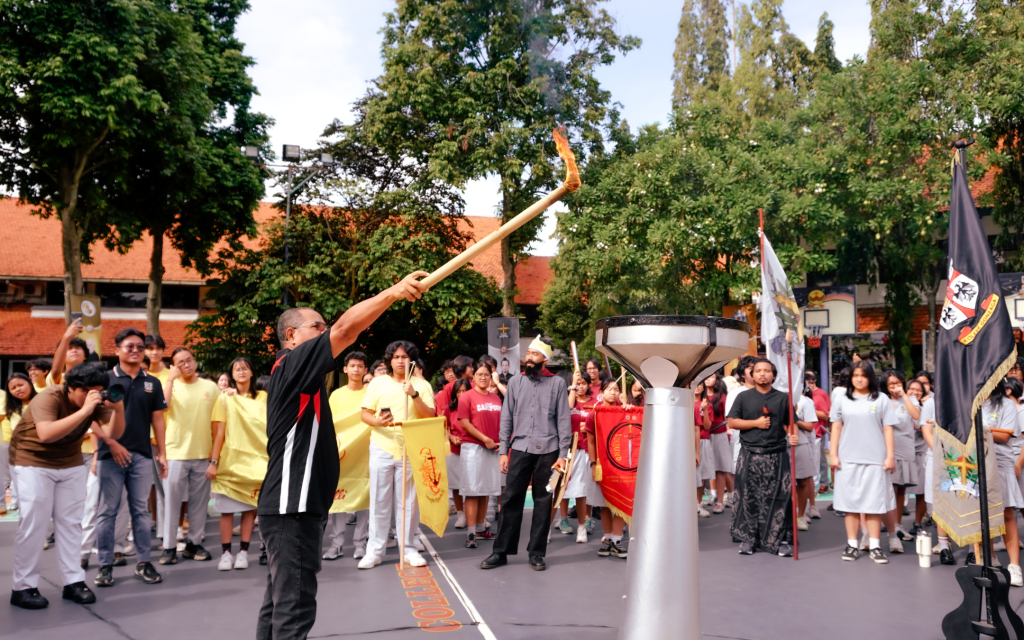
Gonzaga College Sports and Arts Week Brings Together Different Generations

VERA AMICITIA EST INTER BONOS The Gonzaga College Sports and Arts Festival (Porseni) 2025 was celebrated with joy and camaraderie, underscoring its mission to foster cross-generational community bonds among students of grades X, XI, and XII. Beyond a competition, the event served as a platform to strengthen friendships and unity, embodying the spirit that true friendship exists among good people.   Community Structure in Jesuit “Houses” Students participated in a house system rather than competing as class or grade representatives. They were divided into ten large, mixed-gender groups called “Houses,” each named after inspiring Jesuit saints such as Francis Xavier and Peter Faber. This setup promotes interaction and teamwork, with members earning points that benefit their entire House, thereby fostering solidarity beyond individual classes.   Holistic Learning Outside the Classroom During Porseni, the school transforms its environment into a vibrant learning space, featuring a variety of activities that showcase students’ interests and talents. Sports competitions such as basketball, volleyball, and mini soccer promote sportsmanship, whereas chess and wall climbing challenge strategic thinking and physical courage. Creativity is highlighted by a cooking contest, in which dishes are judged on taste and on cultural presentation linked to their House’s patron saint, and by a mural competition that depicts symbols of the saints’ lives and ministries, such as Peter Claver. These activities emphasize both the creative process and meaningful reflection.   Gonzaga Got Talent Porseni organized “Gonzaga Got Talent” to celebrate each student’s unique talents, with students recording and uploading performances in categories such as singing, instrument playing, dancing, poetry, magic, and painting using the “A-Luigi” app. Teacher judges discovered many hidden talents, including a quiet student with a golden voice and a math champion skilled in performing arts. The top ten performers in each category were chosen to perform live, creating a heartfelt event that recognized and appreciated each student’s individuality.     Sharpening the Mind and Team Spirit: Quiz and Group Competition This year, Porseni introduced a new quiz competition in mathematics and general knowledge among the Houses, engaging the entire community and fostering an enthusiastic intellectual atmosphere. The event featured mandatory preliminary and final rounds, with audiences actively participating in solving math problems and cheering. The general knowledge segment was designed to stimulate students’ curiosity about the world and culture. Additionally, group activities, such as vocal and band competitions, helped students from different grades develop teamwork skills despite limited rehearsal time, as they performed both required and chosen songs. The event also featured House mascots, where representatives creatively presented their patron saints’ histories, struggles, and values, adding a fun and educational element to the festivities.   The Peak of Togetherness at the Christmas Vigil Concert The Gonzaga community concluded the semester with a Christmas Vigil Concert at the Ciputra Artpreneur building, reflecting the spirit of Porseni and serving as a moment of gratitude and reflection for the holiday season. The event featured performances by the Gonzaga Big Band Orchestra, which performed “Carol of the Bells,” and the “Suara Gonzaga” Choir, which sang Christmas songs from countries such as Poland, Germany, and the Philippines. Attendees included Father Emanuel Baskoro Poedjinoegroho, S.J., the foundation chairman; Mr. Corneiles Tedjo Endriyarto, the alumni representative; and parents, underscoring the school’s strong community. Principal Father Eduard Calistus Ratu Dopo, S.J., also performed two songs as a heartfelt gesture of appreciation.     From Competition to Community The Porseni 2025 event concluded with House Edmund Campion being named the overall winner; however, the primary achievement was the personal growth experienced by participants. Students developed leadership and service skills, engaged in cross-generational cooperation, and learned to appreciate their own talents and those of others. Reflecting Cicero’s idea of true friendship, the event fostered genuine connections, emphasizing not only skill development but also care and conscience in the Ignatian tradition. These strengthened bonds aim to unite the Gonzaga community in welcoming God and pursuing good intentions in the coming year. AMDG.     Contributor: Gabriella Kristalinawati, S.Pd., M.Si.

English

Those Who Fall Will Rise Again

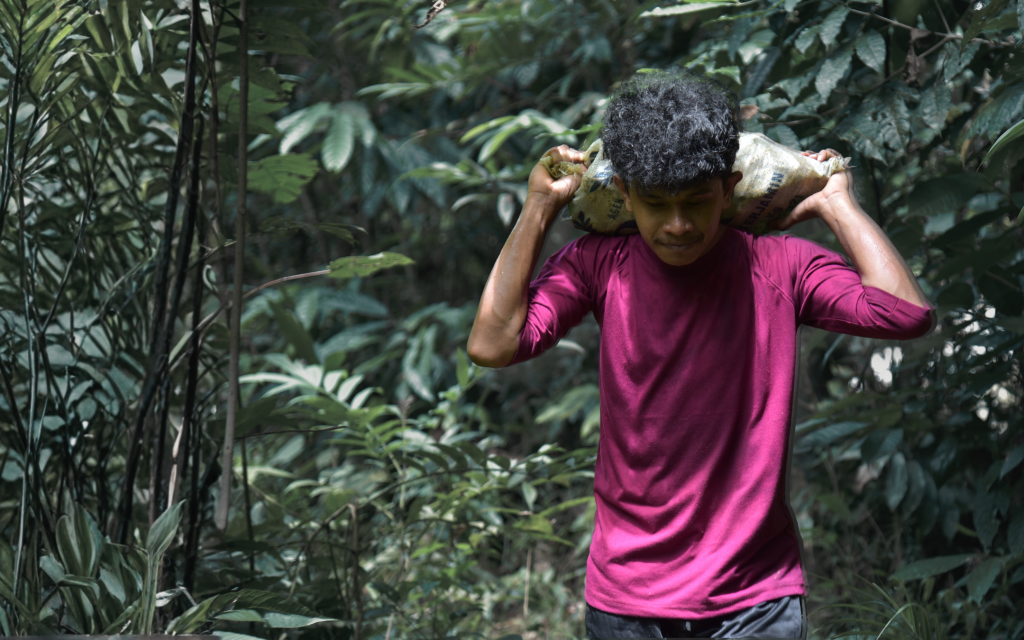
The 30-kilometer trek for 50 Catholic Youth (OMK) from the Diocese of Ketapang in Borneo transformed into a daunting 4-hour journey due to heavy rain and muddy roads as they traveled to St. Maria Botong Parish. This pilgrimage marked their preparation for World Youth Day.   On November 22, 2025, the group, including Father Alle, Sister Regina, and Fathers Sandro and Donatus, embarked on this challenging journey from Balai Berkuak. The once-manageable trail became slippery, testing their endurance and camaraderie as they navigated steep, muck-laden terrain. Yet, amid hardships, they shared joyous moments, recording vlogs that captured their spirited reflections. OMK member Okra excitedly exclaimed the thrill of the experience, while others humorously acknowledged the challenges, with one youth characterizing the falls and slips as part of the adventure, stating, “Yes, it’s normal; the road isn’t as good downstream, so don’t expect too much.” This banter highlighted their resilient mindset.   As they faced deep mud puddles, the importance of vigilance and support was emphasized. Instances of motorcycles getting stuck and near falls brought the group closer, reinforcing solidarity and the spirit of cooperation. Their struggle transcended mere physical hardship, becoming a profound lesson in unity and mutual assistance.   On November 23, the first tangible blessing was their safe arrival at the parish, coinciding with the Feast of Christ the King and World Youth Day. The warm reception from the St. Maria Botong Parish community resonated deeply, reiterating their shared faith despite geographical challenges. The gathering featured local delicacies such as fern vegetables, river snails, and fish, symbolizing a sense of communal bond within the Church.     That evening, the cool air brought members together at Dangau (hut) St. Yusuf, facilitating reflection on their arduous pilgrimage. Ronald, the OMK chairman, pointed out that the journey mirrors the local community’s daily experiences. Those from well-connected areas were encouraged to empathize with the local hardships, viewing the difficult conditions as lessons in resilience and community strength. He articulated how the muddy paths became practical mentors, teaching the significance of assisting one another.   Father Philipus Bagus Widyawan, the parish priest, imparted reflections during the Eucharist on embodying faith through various forms of witness: life, gospel proclamation, love, fellowship, and sacrifice. This message catalyzed tangible action, as the OMK members joined efforts to repair the road after Mass, symbolizing the essence of their faith in action. By collecting and piling stones at slippery sites, they practiced the witness of service, reinforcing the road’s foundation for the community’s benefit.   The challenging journey highlighted an important lesson: everyone has a role in contributing to the common good, regardless of how modest it may seem. Some pushed motorcycles, others prepared meals, and many worked together to improve the roads. This collaboration demonstrated the collective spirit of working toward a shared goal, emphasizing that each individual’s efforts, regardless of scale, hold immense value.     By aligning their actions with a unified spirit, the youth acknowledged the diverse challenges they face in everyday life. Mirroring Jesus’ humility and sacrifice, they committed to walking together persistently, fostering hope, and making a positive impact on their communities. The experience of navigating muddy roads reinforced the message of perseverance and unity, reinforcing their collective identity as agents of change within the Church and society.   Ultimately, the pilgrimage exemplified not only a tangible act of faith but also an enriching learning experience, nurturing connections among the young Catholics amidst their shared struggles. The metaphor of the journey served as a reminder that everyone’s contributions matter in the larger narrative of faith, fostering a sense of purpose and belonging in their community.   Contributor: F. Nicolaus David Kristianto, S.J.

English

Seeking an Institutional Home for Political Aspirations of Jakarta’s Youth

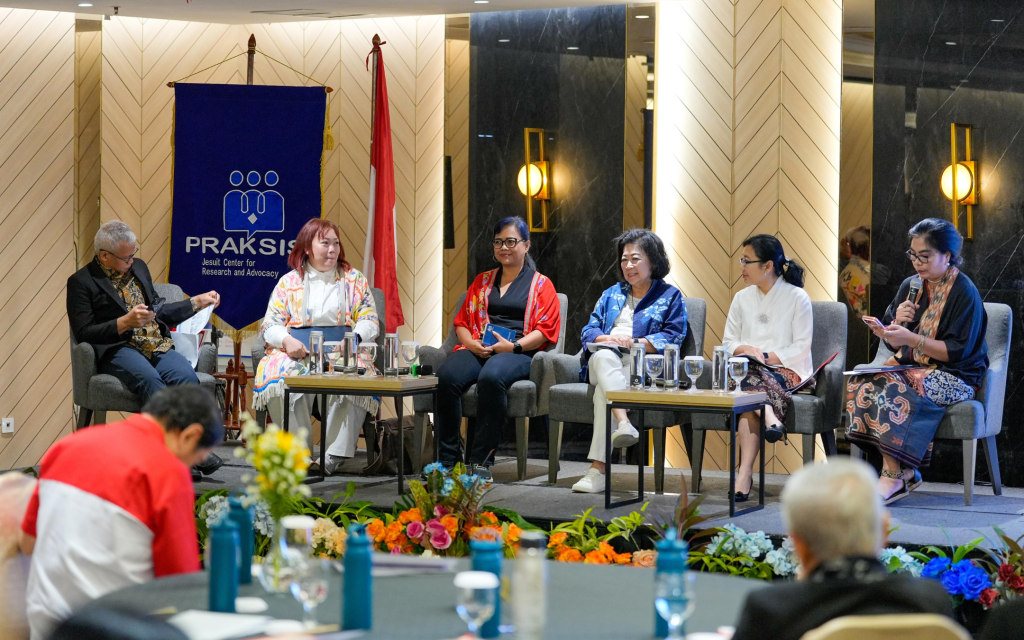
Research by PRAKSIS highlights a paradox in young people’s relationship with politics: while they value civic participation and political engagement in social settings, they remain disconnected from formal political institutions and organisations. The report, titled “Aspirations Without Institutions,” was presented at a Youth Political Dialogue event in December 2025 in Jakarta, bringing together diverse perspectives from political, economic, academic, and civil society sectors. The study focuses on the majority of young Indonesians aged 16-30, who navigate daily economic and social challenges without strong ties to political parties or activism. Using surveys of 400 individuals and focus groups with 26 participants in Jakarta, the research explores the structural and historical factors that influence their political involvement or disengagement, thereby contributing to ongoing efforts to foster a democracy that serves the common good.   Results of the Research This PRAKSIS study, presented by Father Angga Indraswara, S.J., and researchers Andi Suryadi and Maria Rosiana Sedjahtera, identifies three key patterns among young Jakartans. Firstly, most are actively involved in social causes, such as supporting local products, addressing environmental issues, promoting minimalist lifestyles, and expressing concerns about unemployment, corruption, rising living costs, and education. They are highly engaged in social and political discourse, primarily through social media, which serves as their primary source of political information. Secondly, despite their activism, most are not affiliated with political institutions, lack connections with political representatives, and do not participate in political movements or volunteer organizations. They tend to avoid expressing political opinions publicly and often feel disillusioned or disappointed with politics. Lastly, due to these factors, their political engagement is limited primarily to voting in elections, which they regard as a safe and straightforward means of participation. The study attributes these patterns to limited economic resources, restricted access to formal political channels, and perceived risks associated with political involvement, which collectively lead to minimal and cautious engagement in political life.     Generation Meeting Institution Several experts addressed PRAKSIS’s research findings. Arya Bima, Deputy Chair of Commission II of the Indonesian House of Representatives, emphasized the importance of these for understanding the dynamics of relationships between institutions and generations. He highlighted that today’s youth experiences shape their future political involvement, stressing that their digital familiarity and desire for freedom are significant factors.   Mari Elka Pangestu, Deputy Chair of the National Economic and Development Authority, viewed the findings as a crucial call to prioritize youth political participation in sustainable economic strategies. She warned that neglecting young citizens’ aspirations could undermine economic growth and advocated creating job opportunities to address their frustrations.   Bivitri Susanti, a constitutional law expert, noted that the research underscored her concerns that civil society focuses too much on institutional reform while overlooking the roles of political actors and citizens. She stated that civic education has struggled to break free from long-standing New Order influences and called for fostering values of justice and building interconnected social movements.   Inayah Wahid from the Gusdurian Network highlighted the increased pressures facing today’s youth, notably exacerbated by trauma and the digital world’s complexities. She acknowledged that young people often seek justice creatively, such as through political humor, and underscored the role of community organizations in mitigating youth trauma.   Shirley Santoso, President Director of Kearney, emphasized the need to involve youth in shaping democracy. She recognized them as practical and vital for civic change, asserting that establishing community networks is essential for channeling their ideas.   PRAKSIS noted that violence in mobilization arises from a political system that fails to provide outlets for marginalized citizens, leading to frustration that spills over into public protests.     Caring for the Future of Democracy Together PRAKSIS recommends expanding political engagement among young citizens to protect democracy, emphasizing human dignity and the common good. This involves developing an empowering participatory governance model to effectively track and channel aspirations, ensuring institutional responses are transparent. Political expression, in both digital and non-digital realms, requires strong legal support. Additionally, civic capacity should be enhanced through community-based political assistance and education to make politics accessible and relatable. This approach aims to foster civic habits and discourse through everyday actions, facilitating a deeper connection to political processes among young citizens.     Contributor: Andi Suryadi – PRAKSIS Researcher

English

150th Anniversary of the Consecration of St. Joseph Catholic Church of Gedangan

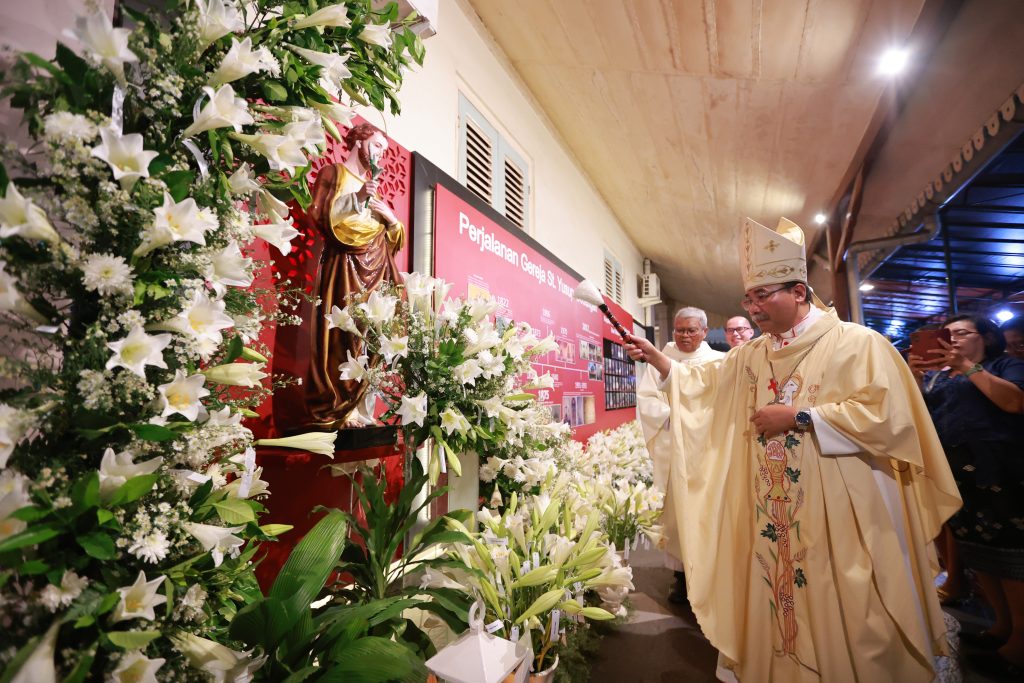
From Blenduk to Gedangan: On December 12, 2025, St. Joseph Catholic Church of Gedangan, Semarang marked its 150th anniversary with a celebration of its neo-Gothic church building. The event was graced by Julius Cardinal Darmaatmadja, the Archbishop of the Archdiocese of Semarang; Mgr. Robertus Rubiyatmoko, Indonesian Jesuit Provincial; Father Benedictus Hari Juliawan; and several clergy members. This occasion transcended a mere celebration of the building, serving as a moment of gratitude for the faith journey that has provided life, hope, and education across generations.   The Embryo of Faith and Education in Java Before the construction of St. Joseph’s Church in Gedangan, the Catholic community gathered for 217 years at Blenduk Church, a Reformed Protestant church. This journey began with Father Lambertus Prinsen’s purchase of a simple house and later with Father J. Lijnen’s acquisition of a banana plantation, which would later mark the site of the church. Construction of the church commenced on October 1, 1870, culminating in its inauguration on December 12, 1875. Under the Society of Jesus from 1877 onward, Gedangan evolved into a “workshop of faith and culture,” serving as a training ground for European missionaries in Javanese culture and language. Here, the aspirations of Frs. van Lith, S.J., and Hoevenaars, S.J., developed a center for education and faith in Muntilan. Notably, Gedangan became a launchpad for missionary work across the archipelago, leading to the establishment of a Catholic education system and advancing contextual evangelization efforts throughout Java.       Celebrating Our Roots, Living in the Present The 150th anniversary celebration of Gedangan Church was marked by a year-long series of activities engaging all congregation members, from children to seniors. Events included a launch, a logo and merchandise design contest, social gatherings like the Tiban Market, fast breaking with the Muslims during Ramadhan, a talk show, church tours, a novena mass, an Ignatian retreat, talent auditions, blood donation, pilgrimages, mini history talks, a grand celebration, and the amazing race finale scheduled for January 16, 2026. During the celebration of the principal Mass, Archbishop Robertus Rubiyatmoko highlighted the church’s foundation on God’s faithfulness and the collective efforts of its pioneers and congregation. Father Benedictus Hari Juliawan, S.J., reflected on the church’s historical significance, noting that since 1896, Gedangan has been a symbol of inclusive faith and the spread of Christianity in Central Java.     A Call to Continue Spreading Love The Church of Gedangan, now serving 3,387 congregants across 11 regions, is celebrating its 150th anniversary with the theme “The Pilgrimage of the Church of St. Joseph Gedangan: Navigating the Times in Hope.” This milestone emphasizes the church’s commitment to growth, community presence, and exemplifying the joy of the Gospel. Inspired by St. Joseph’s qualities of strength, silence, obedience, and service, the church aims to remain a beacon of hope amid contemporary challenges. Originating from humble beginnings among banana trees, the church exemplifies how God’s love can flourish and bring life to many. The celebration underscores the importance of historical roots, perseverance, and the ongoing mission to serve as a relevant channel of love, emphasizing that a living faith—through pilgrimage and service—is the most incredible legacy for future generations.     Contributor: Sch. Engelbertus Viktor Daki, S.J.

English

True Joy at Cafe Puna

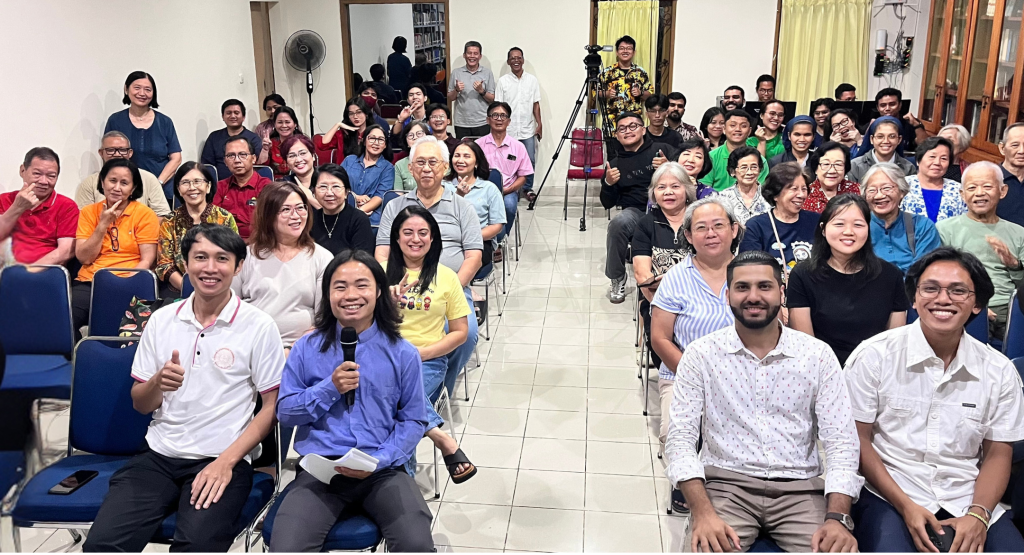
Harvesting the Fruit of Discernment: On November 27, 2025, Pulo Nangka Jesuit Scholasticate hosted Cafe Puna, an open study group event that attracted parishioners and individuals from various backgrounds, both in person and online. The event, which ran from 7:30 to 9:00 p.m., was themed “The Fruits of Discernment: True Joy in Living God’s Will” and marked the conclusion of a series of discussions based on Fr. Timothy M. Gallagher, O.M.V.’s book “Discerning the Will of God: An Ignatian Guide to Christian Decision Making.” The participants had previously explored discernment in two earlier meetings, and this closing session emphasized that discernment is more than mere decision-making; it is a holistic way of life that aligns individuals with God’s will and fosters true joy.     Two members of Pulo Nangka scholasticate, SS Wishal Khan and Yuhan Felip, served as the main speakers. Wishal initiated the discussion by highlighting the fundamental role of discernment in making life choices. He articulated a framework for recognizing choices that harmonize with God’s will, emphasizing how this process cultivates clarity, peace of mind, and spiritual growth. Drawing on Gallagher’s insights, Wishal identified three critical signs of genuine discernment: a profound sense of peace, consolation, and fulfilment. He illustrated these points with a reference to Saint Ignatius Loyola’s journey, during which he discovered emptiness in the pursuit of worldly glory and found direction through contemplation of the lives of the saints.     Yuhan supplemented Wishal’s presentation by asserting that discernment is a vital aspect of everyday life, describing it as a “home” during periods of uncertainty and a gateway to meaningful decisions. He posited that, through discernment, individuals align with God’s will, thereby achieving authentic happiness.   The event further engaged participants in an interactive Q&A session led by Frs. Guido Chrisna Hidayat and A. Widyarsono, where questions from both in-person and online attendees reflected a robust interest in discernment. The active involvement of diverse age groups underscored the theme’s relevance across various life experiences and spiritual journeys.   To conclude, attendees were invited to reflect during the session; afterward, the atmosphere turned convivial, with refreshments in the dining area. Through initiatives such as Cafe Puna, Pulo Nangka scholasticate endeavours to foster an educational, reflective, and inspiring environment while strengthening connections with academia, the faithful, and the broader community.     Contributor: Sch. Sirilus Hari Prasetyo, S.J. – Cafe Puna Public Relations

English

Discerning the Will of the Holy Spirit

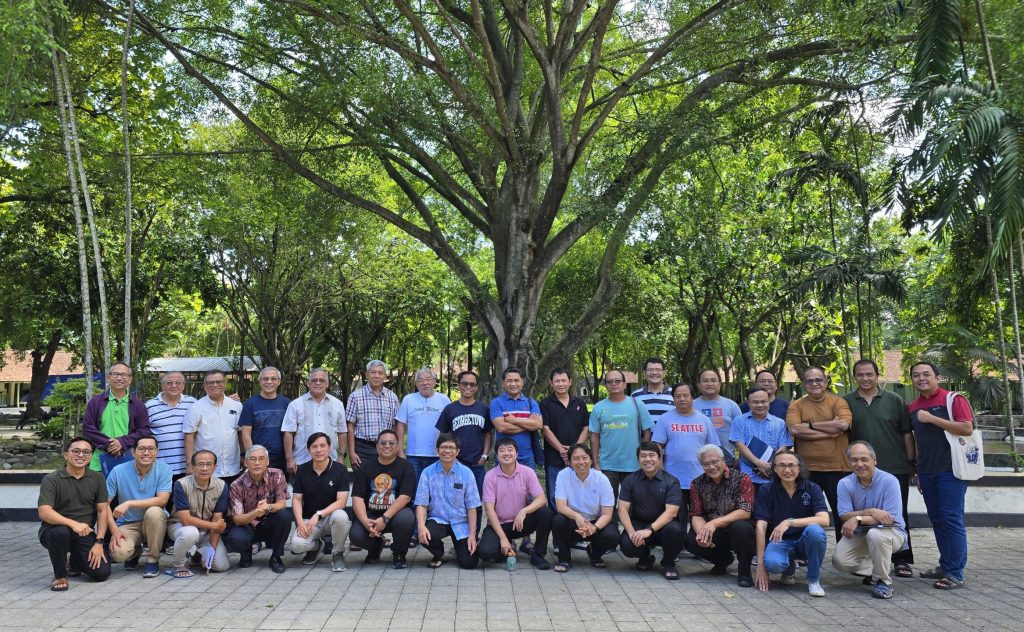
A Note from the Indonesian Province Extended Consultative Meeting: From 15 to 17 December 2025, the Indonesian Province of the Society of Jesus convened an extended consultative meeting at the Jesuit Retreat House in Klaten, Central Java. Thirty-three Jesuits gathered in a spirit of prayer and communal discernment to seek the guidance of the Holy Spirit in preparation for the appointment of the next Provincial, as Fr. Benedictus Hari Juliawan, S.J., will complete his term in 2026.   In keeping with the Society’s long-standing tradition, each member of the extended consult was invited to engage in personal and communal discernment and to submit up to three names of Jesuits considered suitable for the office of Provincial. This process reflects the Ignatian conviction that leadership in the Society emerges through attentive listening to the Spirit within the body of the Church.   On the second day, participants reflected together on the challenges confronting the Society at the global, national, and provincial levels. Naming these challenges clarified the mission priorities of the Indonesian Province for the coming years and the qualities needed in its future leadership.     That day, Fr. José Magadia, S.J., Regional Assistant for Asia Pacific, who accompanied the entire process, presided at the Eucharist. In his homily, he recalled Pope Leo XIV’s address to the Jesuit Major Superiors Meeting in Rome (24 October 2025), highlighting the Holy Father’s call for Jesuits to remain attentive to the frontiers of the Church’s mission. These frontiers, he noted, are not only geographical. While demanding missions in regions such as Kalimantan and Papua clearly constitute frontiers, so too do academic, social, cultural, and spiritual contexts where the presence of the Gospel is urgently needed. Echoing the Pope’s message, Fr. Magadia encouraged Jesuits to embrace new and challenging missions with apostolic courage and trust in God.   Throughout the meeting, participants offered frank and respectful assessments of candidates proposed by Jesuits from communities across the Province. Each candidate—who was also present at the meeting—was discussed in his absence and was later invited back to confirm his availability. While some expressed reservations about accepting the office, all conveyed gratitude for their brothers’ trust and affirmed their readiness to serve wherever the Society may send them.   The assembly then entered into communal prayer, entrusting each candidate to the guidance of the Holy Spirit and praying for their continued growth in Christ. On the third day, following further discernment, each participant submitted up to three names in a sealed and anonymous ballot. These will be reviewed in the coming days, and ultimately, three names will be forwarded to the Father General, who is expected to make the appointment before Holy Week 2026.   In his concluding remarks, Fr. Magadia reminded participants that this centuries-old Ignatian process of discernment in selecting Provincials has consistently served the mission of the Society across diverse cultures and contexts. Together with the assembly, he expressed gratitude to Fr. Benedictus H. Juliawan, S.J., and Fr. Melkyor Pando, S.J., Socius to the Provincial, for their careful preparation and coordination of the meeting.     The extended consultative meeting concluded with the celebration of the Eucharist presided over by Fr. Benedictus Hari Juliawan, S.J., who thanked the participants for their commitment and invited them to continue their mission in the Society with renewed trust in the guidance of the Spirit.   The participants noted that the Extended Consult process felt discretionary. Fr. Socius led a prayer at the beginning and end of each session. This included every time they finished discussing a particular candidate, which always ended with a prayer for that candidate. This Extended Consult was also marked by personal reflection and prayer. Each participant was invited to listen attentively to the Holy Spirit, setting aside personal and group interests and considering what was best for the Province’s future.   Contributor: Sch. Klaus Heinrich Raditio, S.J.