
Jesuit Brothers:
Jesuit Brothers: The Agents of Hope
Five priests were kidnapped in the early to mid-2000s in the southern part of Zamboanga City. They were Father Luciano Benedetti, Father Giuseppe Pierantoni, Father Giancarlo Bossi, Father Michael Sinnott, and Father Rolando Del Torchio. The kidnappers, Moro Islamic Liberation Front (MILF) and Abu Sayyaf, sought ransom money for their release.
Zamboanga: A Two-Face City
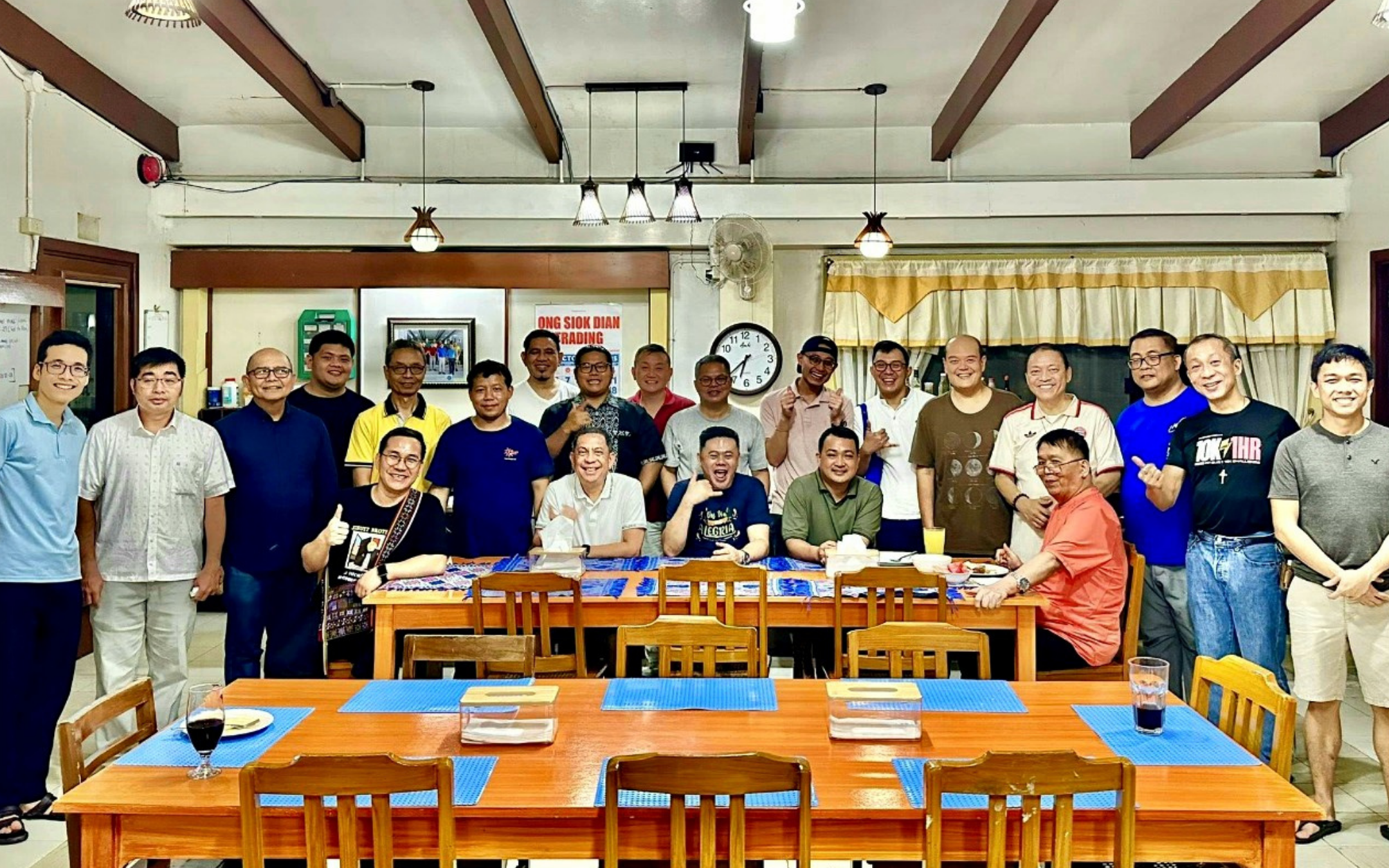
From October 23 to 28, 2025, Brother Yohanes Sarju, S.J., and I were sent by the Provincial to attend the JCAP Jesuit Brothers Circle Meeting at the Jesuit Ateneo de Zamboanga University, the Philippines. Although some may have heard of Zamboanga City or Ateneo de Zamboanga, many are not familiar with the Jesuit work in this coastal city on Mindanao Island. This curiosity led the author to explore stories from Jesuit colleagues, local collaborators, and online profiles about Zamboanga’s history.
Zamboanga’s tidy city layout reflects its Spanish colonial style, centering around the fort dedicated to Our Lady of the Pillar. The fort, a 17th-century military site, bears witness to the colonialism and conflict of the past. Despite the city’s calm atmosphere, security protocols for the JCAP Brothers included escorts from six members of the Presidential Security Command and ten elite military personnel during their activities and visits, including a trip to Basilan Island.
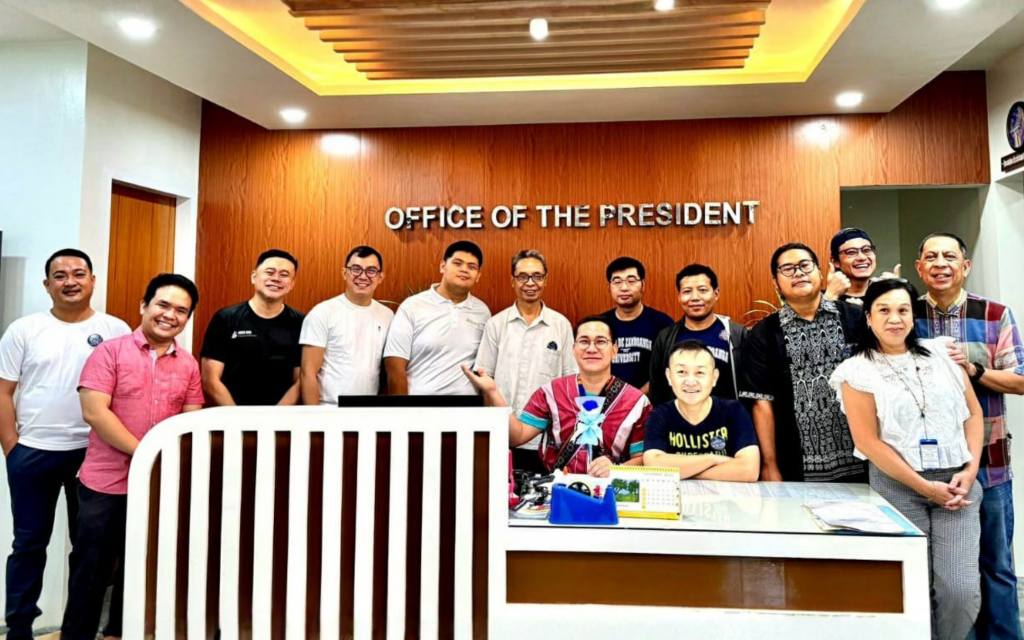
Joy under a Friendly Military Escort
Twelve Jesuit Brothers from JCAP felt relaxed, consoled, and joyful despite the strict security protocols surrounding them. They gathered to reflect on their calling as Jesuits, as agents of hope, accompanied by Father Ernald, S.J., the President of Ateneo de Zamboanga University. Father Ernald emphasized that Jesuits are pilgrims of hope and shared insight from John 1:14 about the Word living among us. He highlighted that being a Jesuit brother is not just a role but a religious vocation, using the Tagalog terms kuya and utol. Kuya represents responsibility and trust within a familial bond, where older members guide and support younger ones. Utol signifies kinship and shared origins, reminding everyone of their common family tree. Living out utol enhances solidarity and collaboration among communities, fostering connections and hope in the world.
Father Ernald shared his experience of a 30-Day Retreat with Brother Jim, S. J., reflecting on the first virtue of a Jesuit Brother: to accompany others in connecting with themselves, each other, and God, while being fully present. He reminded that the mission of the Church and the Society of Jesus begins with a sense of belonging, not authority, and called for a prophecy of simplicity, which brings hope. Brother Raymund Bellezza, S. J., noted the increasing inclusive role of laypersons, whether religious or non-religious, within the works of the Society of Jesus, showing that their mission charism extends beyond its traditional members.
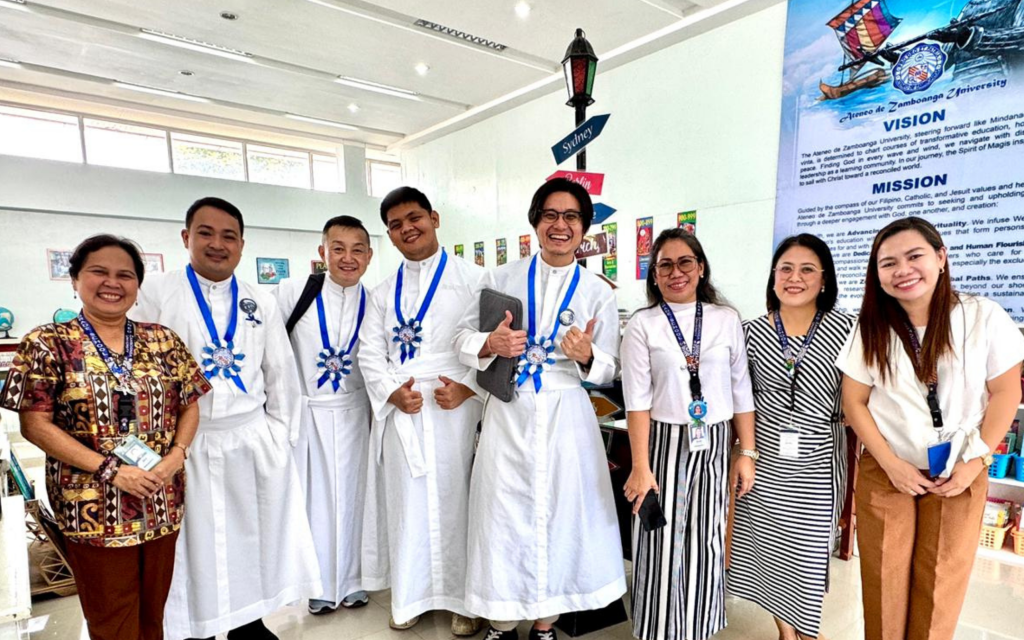
Vocations and Collaborations?
As agents of hope, we are invited to reflect by Brother Raymund Bellezza, S. J., a member of the International Commission of the Jesuit Brothers. In the mission of the Society of Jesus, more laypeople are getting involved, including those who are not Jesuit, Catholic, or even religious. The mission’s charism is not limited to Jesuits but also includes collaborators.
What distinguishes Jesuit Brothers from their outstanding lay colleagues? This question sparked our spiritual discussion. In frontier areas like Zamboanga, Jesuits serve alongside the community. Jesuit identity is about being on a mission, helping others connect with a shared heart and mind. Jesuit Brothers are sent to shepherd and support others, ensuring they do not fear, as God is with them.
In summary, Jesuits embody the virtues of “kuya” and “utol.” The difference lies in the safety and trust fostered in collaborators, encouraging them to also become shepherds alongside the Jesuits. This is not about authority but about sharing a common mission in Christ.
Cntributor: F. Nicolaus David Kristianto, S.J. – Assistant of Pastoral Care at the Church of St. Mary Mother of God in Botong, Borneo